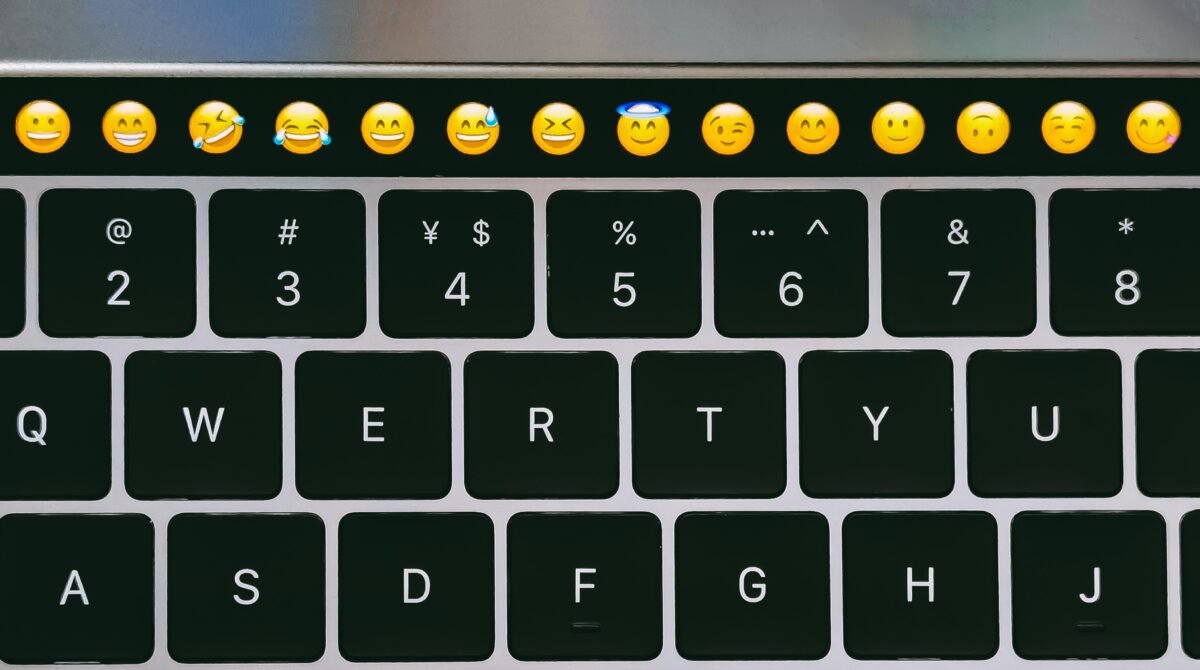
Emoji, those little pictograms we use to express emotions online, can have vastly different meanings across cultures. It’s fascinating how these small symbols can carry different interpretations worldwide. Let’s explore a few examples:
In some countries, the 👍”thumbs-up” gesture, typically associated with approval, can be seen as offensive. Similarly, the universally recognized 👌”OK” hand gesture holds negative connotations in certain regions.
If you have any questions or thoughts about any emoji, this is the time to ask in the comments!
Understanding these variations is crucial for effective cross-cultural communication. By being mindful of their diverse interpretations, we can foster meaningful connections in our global conversations.