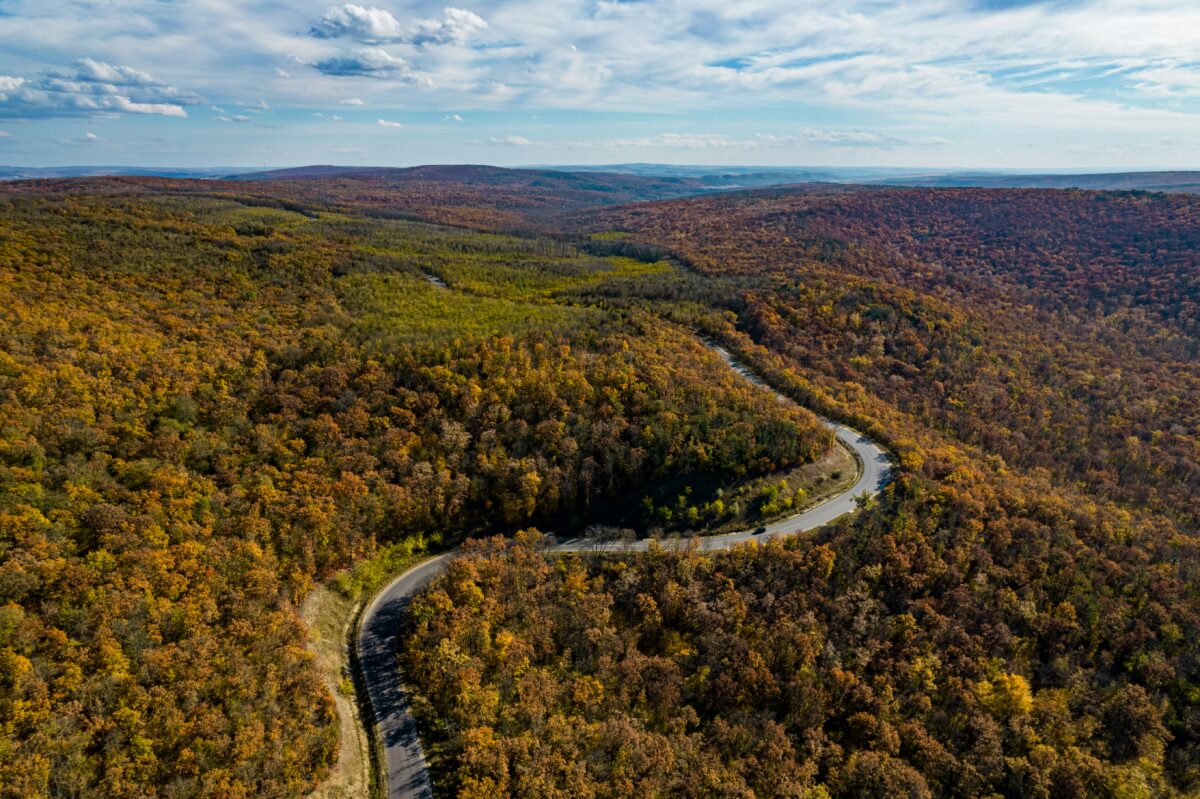
Gagauzia is an autonomous territorial region of Moldova, home to the Gagauz people, who speak a Turkic language. Turkic languages are a family of over 35 related languages spoken by approximately 200 million people across Eurasia, including regions from Eastern Europe to Central Asia and parts of East Asia. The most widely spoken Turkic language is Turkish, followed by Uzbek and Azerbaijani.
The history and political background of Gagauzia is complex, and beyond the scope of a blog post, but as language professionals, we’re very interested in their linguistic situation.
The official language of Moldova is Romanian, also referred to in some contexts as Moldovan. However, as an autonomous territorial region, the Gagauzians have the right to carry out their affairs in their own language. Anyone aspiring to be the governor of Gagauzia must be fluent in its language. That’s a good thing: linguistic diversity and the rights of speakers of minority languages are very important.
However, as in many other areas with similar situations vis a vis language, not being able to speak the majority language well also poses problems. It can limit access to good jobs, inhibit development, and even contribute to political and ethnic tensions. At the time of writing, a substantial number of children growing up in Gagauzia don’t speak Romanian, even when their parents do.
Balancing the rights of people to cherish, speak, and live through their native language has to be balanced with their need, and right, to also fluently speak the languages they need to engage with the wider world, and realise their full potential.
Fortunately, the human mind is more than capable of containing two or more languages; we have previously spoken of the many benefits of bilingualism. Hopefully, the peoples of Moldova and Gagauzia will find a way forward that respects the minority language while also facilitating access to the language of the majority, along with all the benefits it accrues.
Photo Source: https://unsplash.com/photos/a-winding-road-in-the-middle-of-a-forest-eLNNbNLBagM