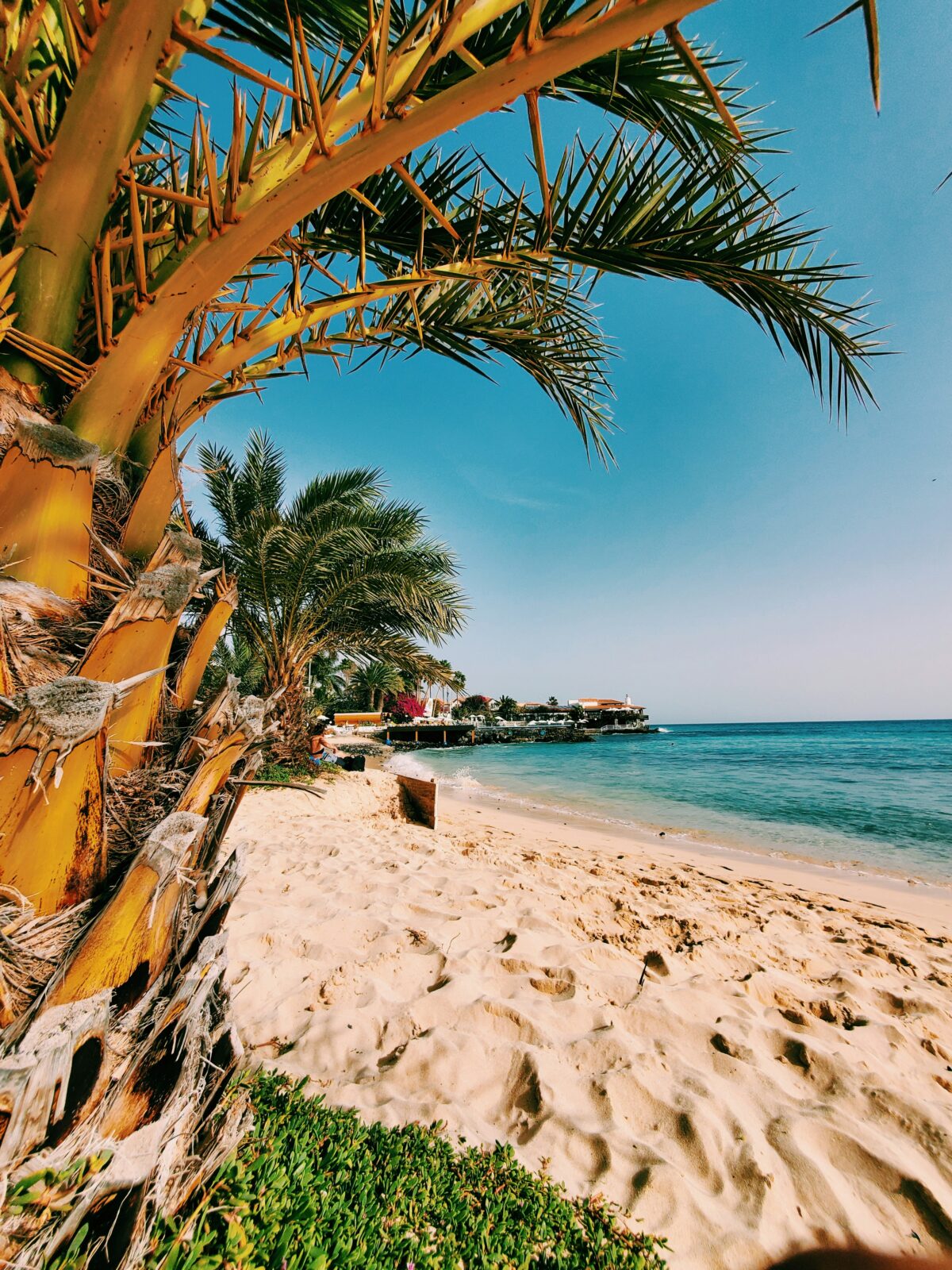
The Cabo Verde, or Cape Verde, islands are located off the west coast of the African continent. They were uninhabited until the 15th century, when Portuguese navigators discovered them and started settling them. For several centuries, the islands’ economy was based on the Atlantic slave trade and by the nineteenth century they were in serious economic decline.
As a result of this complex and tragic history, the people of Cabo Verde are of mixed European and West African descent. Although the official language of the islands is Portuguese, the native language of the islands is Cape Verdean Creole, considered by linguists to be the oldest living creole, and recognised as one of the most widely spoken, as it thrives not just on the islands, but also among the Cape Verdean diaspora. Today, it combines elements of grammar from various West African languages with a vocabulary largely drawn from Portuguese, albeit retaining phonetic norms from the 15th -17th centuries, rather than those in use in Portugal today.
In recent decades, the government of Cabo Verde has proposed making Creole an official language. However, this will require it to be standardised: as it has several variants, this is a potentially tricky issue, as one variant might end up being elevated to a ‘standard,’ annoying the speakers of other variants.
If you are interested in hearing Cabo Verde creole, you might enjoy checking out some of the islands’ traditional music, which is rightly renowned around the world. Cesária Évora probably is its most internationally famous performer.
Photo Source: https://unsplash.com/photos/people-on-beach-during-daytime-1yIZMGQUuzk