Diverse types of writing developed in various cultural and geo-historical contexts around the world, but what was the very earliest attempt to write? One of our earlier blog posts explored the idea that painting could itself be seen as a form of writing, especially when it serves, among other things, as an aide-memoire.
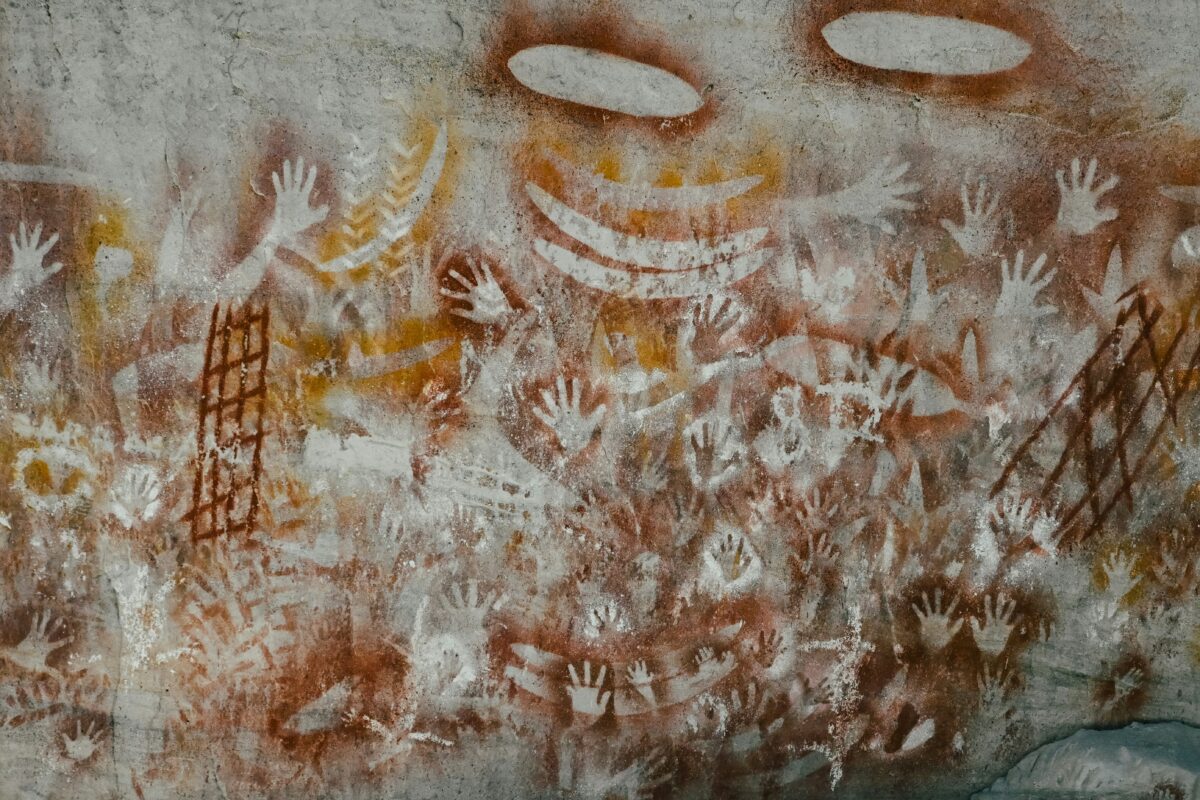
Consider the example of the famous cave paintings found in Spain and France, which often include vivid hunting scenes, and depictions of animals that lived in the area when the climate was vastly different than it is today. These are often accompanied by handprints – sometimes loads of them – made by using the simple technique of holding the hand up against a wall and then blowing ochre pigment around it.
We know extraordinarily little about the artists who created the works of art in those caves, although they’ve given us so much in terms of artistic expression and the opportunity to see at least a glimpse of the distant past. But those handprints suggest that they had a sense of pride and ownership in their work and that, like any artist, they wanted to sign it.
Arguably, if not quite writing, these vivid handprints from the past are at least the earliest form of signature.
We speak just about every language imaginable here at 101translations. Get in touch to learn how we can help you with your translations needs at 👉https://101translations.com/
#Writing #EarlyWriting #CavePainting #Caves #Handprints #Hieroglyphics #Inscriptions #Recordings #DidYouKnow #101Translations #LanguageExperts #Culture #Facts
Photo Source: https://unsplash.com/photos/a-painting-on-a-wall-with-a-fire-hydrant-in-the-foreground-i6Fo5_WpaKQ