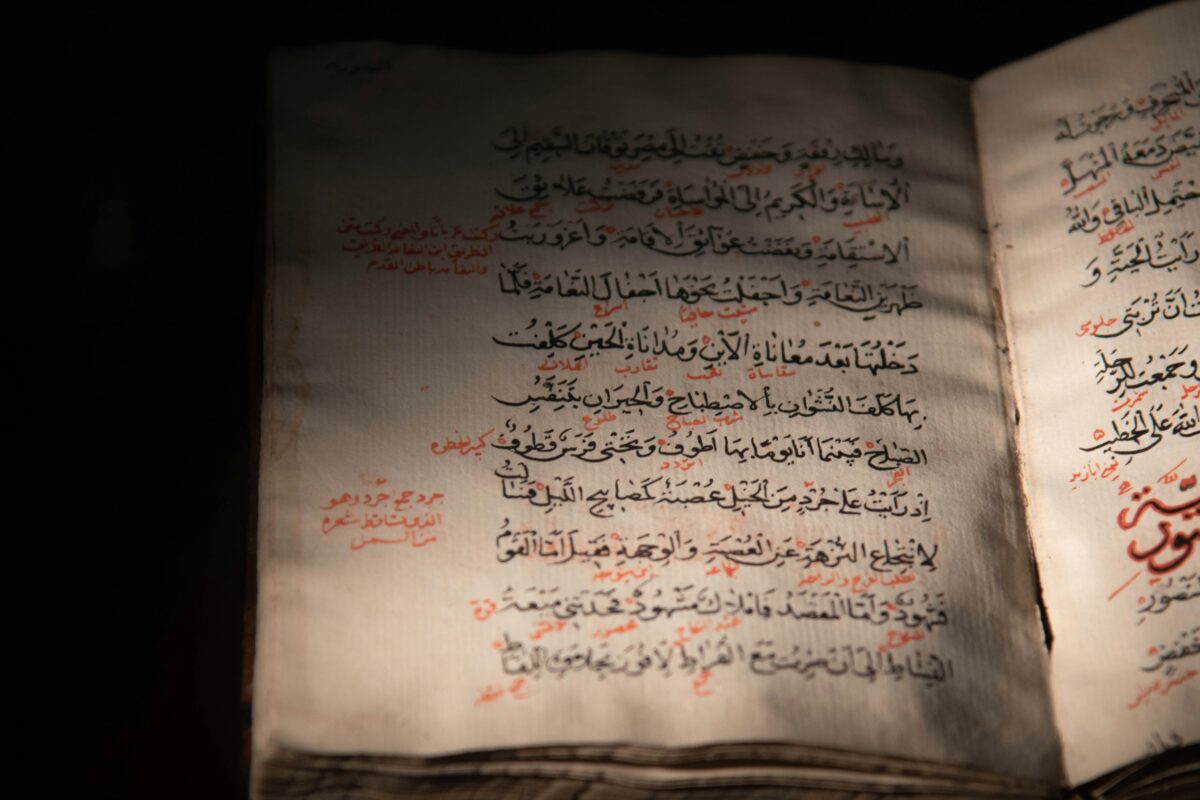
Even in highly literate societies, the quantity of written materials that predate printing is strictly limited. That makes every surviving scrap precious to researchers. But many manuscripts are damaged, simply by the passage of time, or because of particular historical events.
When Mount Vesuvius erupted in 79 BCE, hundreds of scrolls were buried under volcanic debris. They stayed there for many centuries until a farmer discovered them in the 18th century CE. They had been preserved by the ash and mud they were buried in, but they were also so badly burned they’d carbonised, making them extremely fragile and impossible to read. For years, whenever scholars attempted to unfurl and read them, they were often simply destroyed.
In 2023, the Vesuvius Challenge was established to encourage researchers to figure out how to read them. Using modern technology, including scanning, they have revealed that one of them appears to contain a work called ‘On Vices’ by the Greek philosopher Philodemus, an ethical treatise known in full as ‘On Vices and Their Opposite Virtues and In Whom They Are and About What’.
As these technologies become progressively more sophisticated, it will get easier for researchers to read and interpret ancient written materials and, in the process, to better understand the intellectual and quotidian lives of those who went before us.
Photo Source: https://unsplash.com/photos/text-letter-P5n6_miZ6dI?utm_content=creditCopyText&utm_medium=referral&utm_source=unsplash