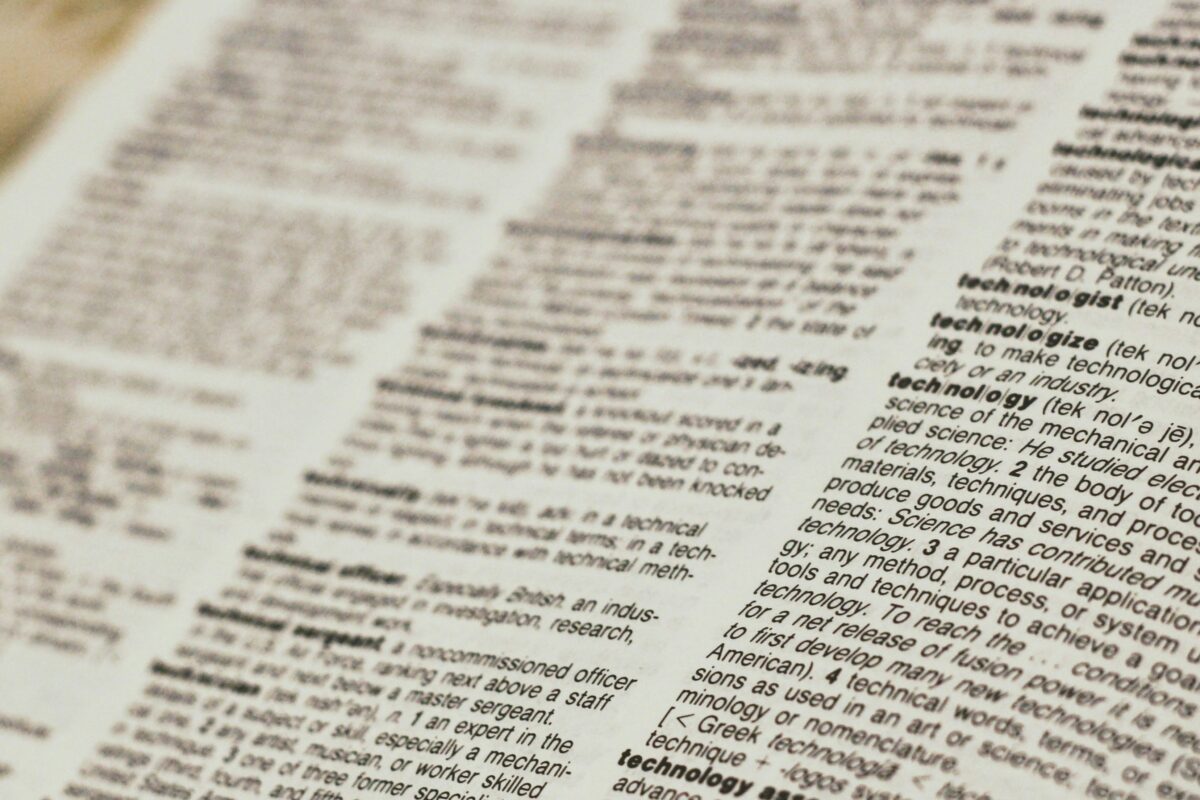
Dictionaries may have moved largely online but the work of keeping them up to date is always ongoing.
Novel words are coined all the time, but not all of them stick around. Words that make it into general usage become part of a dictionary’s listings. Unsurprisingly, many of the newer words in the dictionary relate to the internet, social media, and technology generally.
Words also go out of usage all the time. And the issue of exactly when a word should be removed from a dictionary can be quite contentious. After all, a word doesn’t simply cease to have meaning just because it’s rarely, or never, used. But when dictionaries alert the public to the imminent removal of certain archaic words from their listings, people can be surprisingly nostalgic. Some dictionary enthusiasts even go so far as to use the word in letters to the newspaper in the hope that appearing in a publication will prevent the word’s erasure from the dictionary lexicon.
Sometimes old words make surprising comebacks, perhaps with a different or altered meaning. In English, the word ‘unfriend’ was used in the middle ages to describe an enemy. Today, of course, having shifted from noun to verb, it means something else.