Folklore is everywhere, and linguistics is no exception.
You might have heard the old story about how the Spanish ‘lisp’ – whereby the letter z, the sibilant c and the letter s are pronounced as ‘th’ as in English – originated because King Ferdinand of Spain (1479-1516) spoke with a lisp, and ordinary people adopted this way of talking out of deference to him. This tale is sometimes cited as the reason why Latin Americans don’t pronounce Spanish the same way.
In fact, the Spanish ‘lisp’, known as ‘ceceo’ in Spain, was originally a local pronunciation from specific parts of Spain. Most of the original Spanish conquerors and settlers of what we now know as Latin America were from a different area – and in any case, accents and pronunciations have changed over the centuries on both sides of the Atlantic.
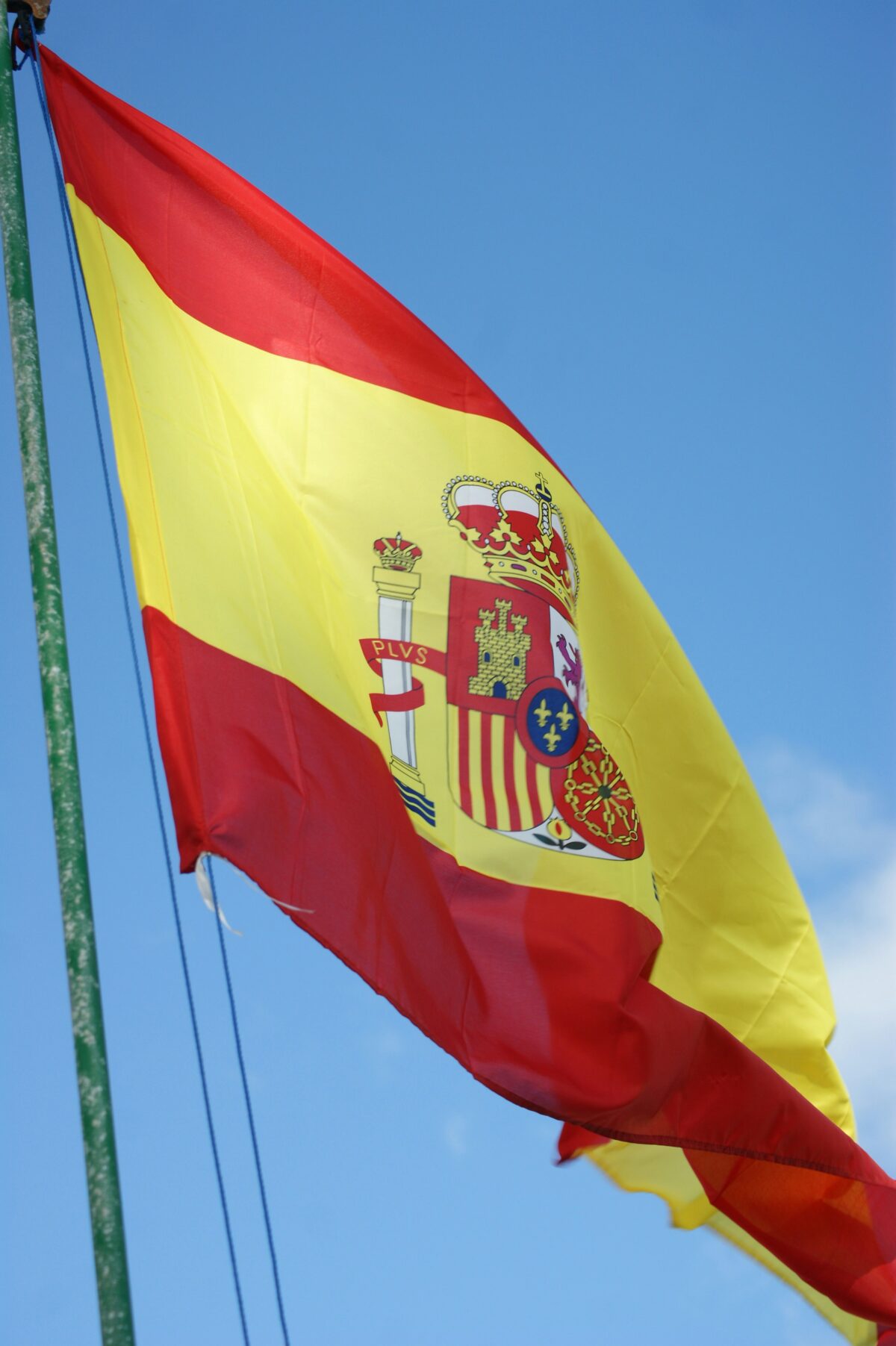
With its varied pronunciations and distinctive local accents and vocabularies, Spanish is one of the most widely-spoken languages in the world. The diverse types of Spanish are generally mutually intelligible, but there can be considerable variation in vocabulary, with differences due to contact with a wide variety of Indigenous peoples and languages, and to the vicissitudes of history.