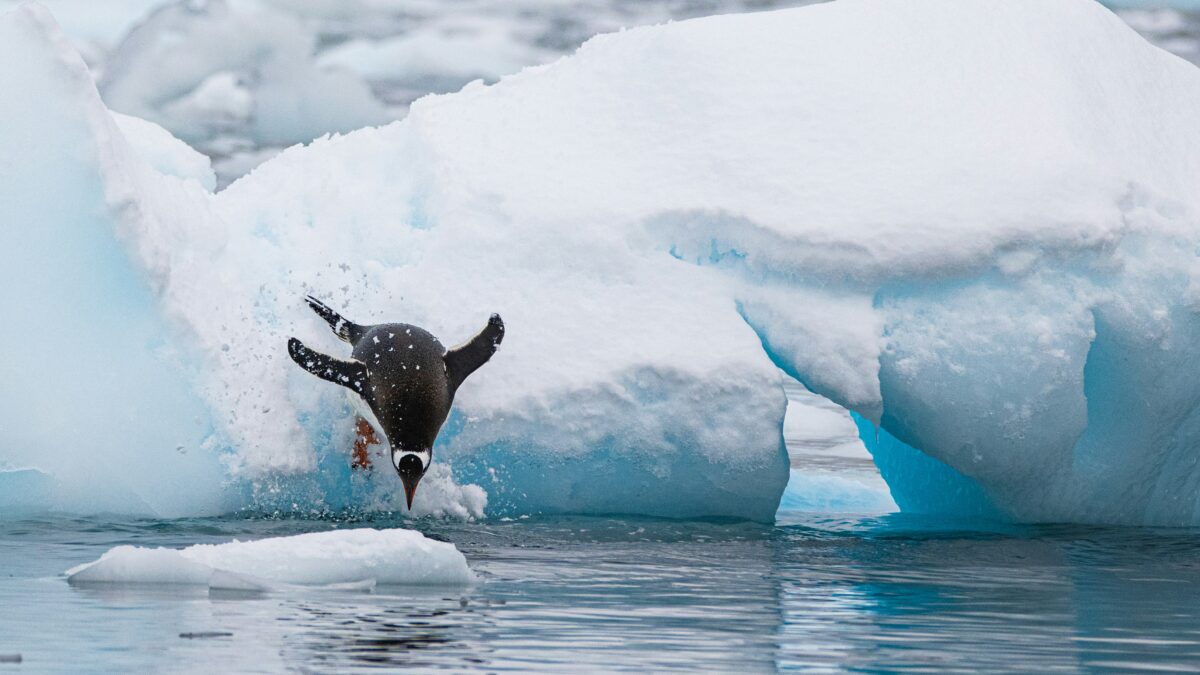
Antarctica famously has no permanent human population, and therefore no indigenous ethnicity or language, and yet linguistic researchers have figured out that it has its own dialect, or even several of them.
How could that be?
A 2019 study explored the language use of a team known as ‘the winterers’, scientific researchers spending six months in Antarctica, during which time they lived and worked closely together. While they came from various backgrounds, English was the language of communication. And while they all started out with different accents, over the course of the six months they spent together, their accents gradually became more similar to one another.
Instinctively, we all adjust our speech depending on who we’re talking to, and often adopt aspects of their pronunciation, to make ourselves easier to understand. This is what was happening here, and in a small community of just eleven people, it’s easy to see how they all started to sound more alike.
Another interesting linguistic feature of speech in Antarctica is its slang. The in-group of researchers refer to the cold continent as ‘the ice’ and have coined the term ‘ice shock’ to refer to the experience of having to adjust back to living in the wider world once their research term is over.
Even at the very limits of human existence, language is doing interesting things!
Photo Source: https://unsplash.com/photos/a-person-swimming-in-the-water-bmjp_dwpoU8