In the past, especially before printing technologies were widely used, most scholarship and writing was connected to the church and to religion in one way or another. Many languages were first written down and started becoming standardised when someone translated the Bible.
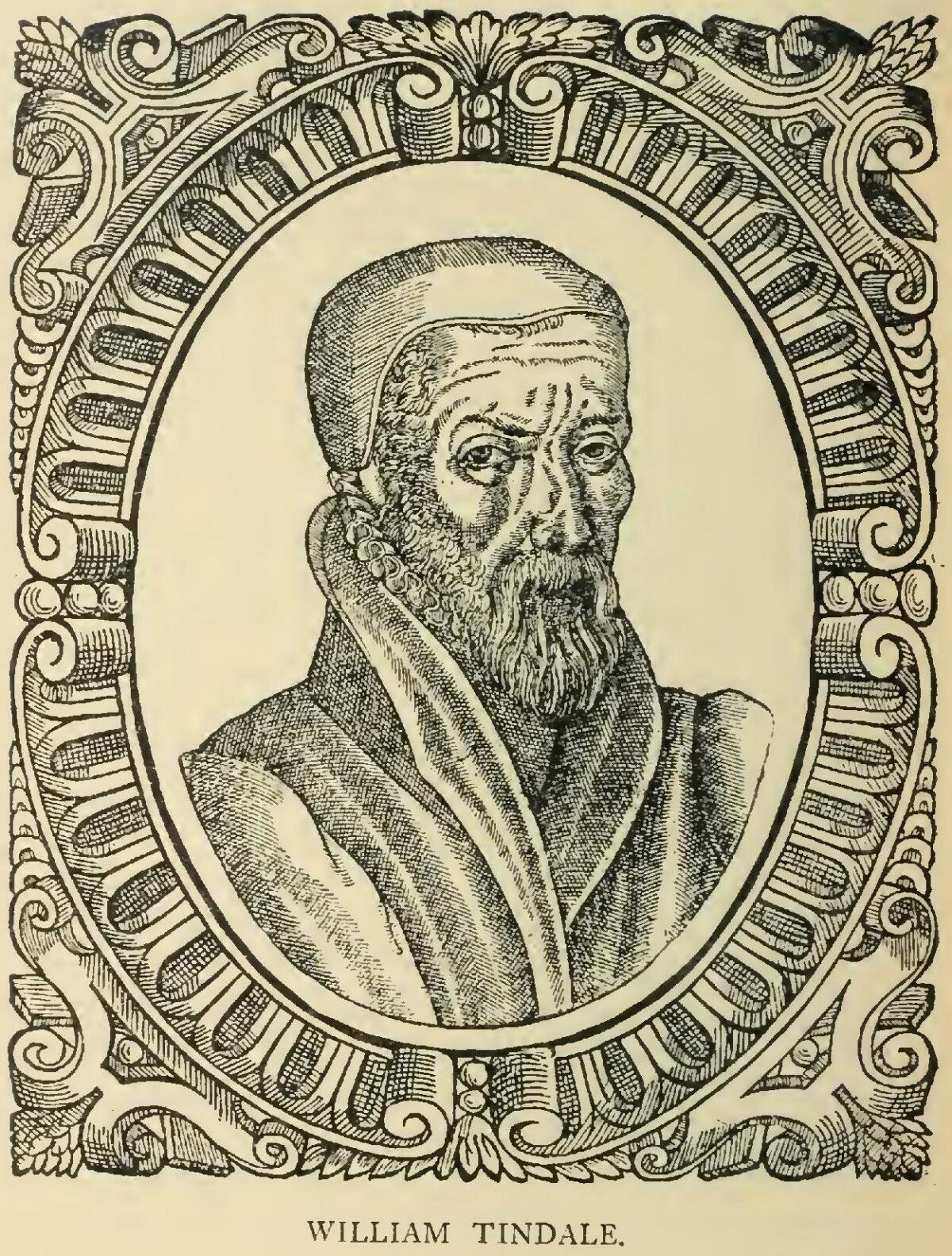
In 1524, English scholar William Tyndale – a fan of Martin Luther, who had translated the Bible into German in 1523 – decided to make an English translation. Until after the Reformation, Bibles were not generally available in local languages for ordinary people to read.
England was still Catholic at the time, so this raised the hackles of the religious authorities. Lutherans were being executed for heresy, and William’s bishop refused to grant him permission to carry out the translation and may have flagged him to the authorities as a possible Lutheran.
Undeterred, William went to Germany, where he translated the New Testament into English and had copies printed and shipped back home in 1526. There, they were condemned and publicly burned. This was a big mistake on the part of the authorities, as it only bought Tyndale’s project more publicity. He further enraged the king, Henry the Eighth, when he published a book opposing, among various things, the annulment of Henry’s marriage to Catherine of Aragon.
The authorities finally caught up with William in 1536, and he was tied to a stake, strangled, and his body burned.
The impact of this Bible translation on the English language has been considerable. It introduced words we still use today, including ‘scapegoat’ and ‘atonement,’ as well as phrases including ‘Let there be light,’ and ‘the powers that be.’
Photo Source: https://commons.wikimedia.org/wiki/File:Beza%27s_Icones,_contemporary_portraits_of_reformers_of_religion_and_letters_-_William_Tindale_on_Page_58.jpg