What can we learn from ancient dental plaque?
A lot more than you might think!
Researcher Anita Radini was examining 1000-year-old dental tartar from a woman’s bones in Germany when suddenly she noticed that it contained some bright blue pigment. Wanting to know more, she had it analysed and found out that it was ultramarine.
Ultramarine is a pigment that, 1000 years ago, was sourced only from lapis lazuli originating in a single region of Afghanistan. This extremely valuable substance was worth as much as gold and was used in mediaeval painting to render the robes of the Virgin Mary in the intricate manuscripts being produced by the leading artists and calligraphers of the day.
The presence of this pigment in the woman’s dental tartar suggested that she had probably been one of those artists, using her tongue – as artists do – to bring the bristles of her paintbrush to a neat point. But some art historians doubted that a woman would have been skilled enough to work with such a valuable substance and proposed that she must have been the real artist’s cleaning lady.
Ultimately, Radini and her colleagues were able to prove that some women in religious orders at the time were indeed creating art of this calibre, and even located a number of manuscripts signed by their female creators. The evidence is clear that female scribes, as well as male ones, were indeed making books with lapis lazuli pigment in the same area and around the same time this woman was alive.
This amazing breakthrough opens up many research avenues into the work of women artists and calligraphers and the manuscripts they created to communicate the Christian message of mediaeval Europe – and into the rich, surprising potential of dental tartar as a vehicle for clues to the past.
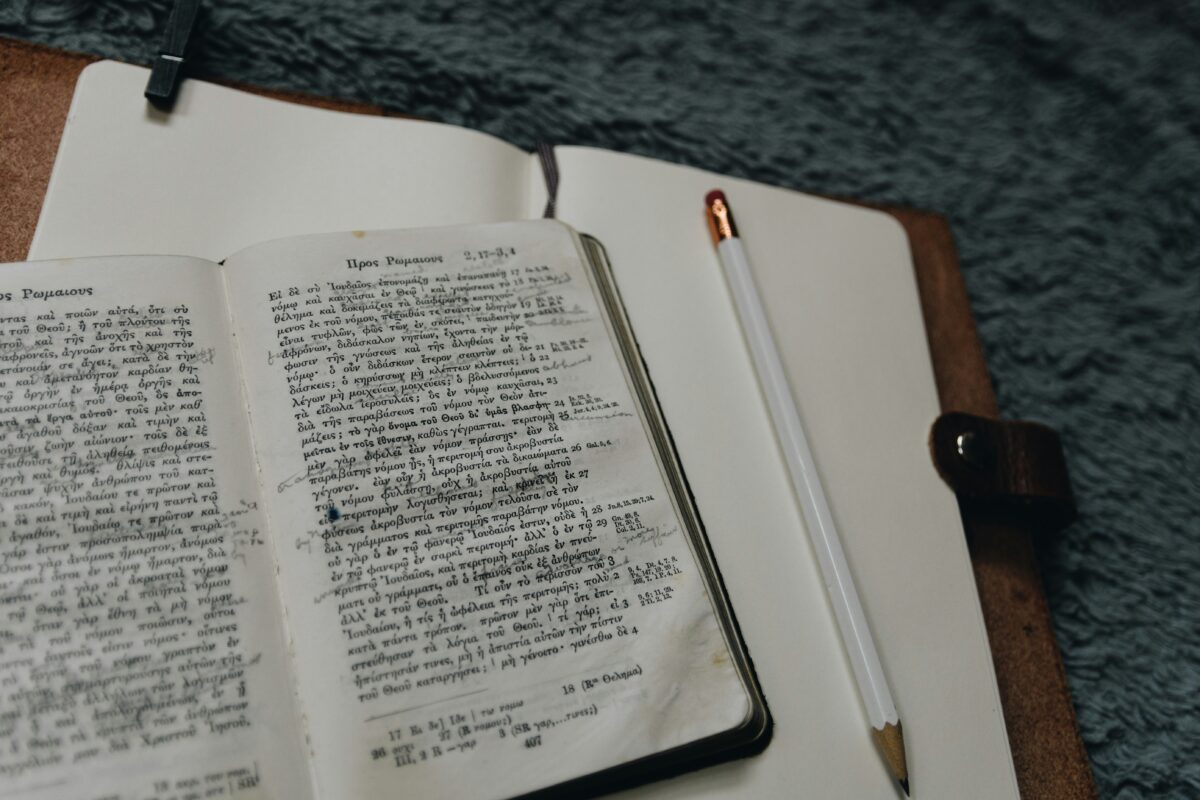
Think of that next time you lick your pencil.
Photo Source: https://unsplash.com/photos/long-black-haired-woman-smiling-close-up-photography-1AhGNGKuhR0