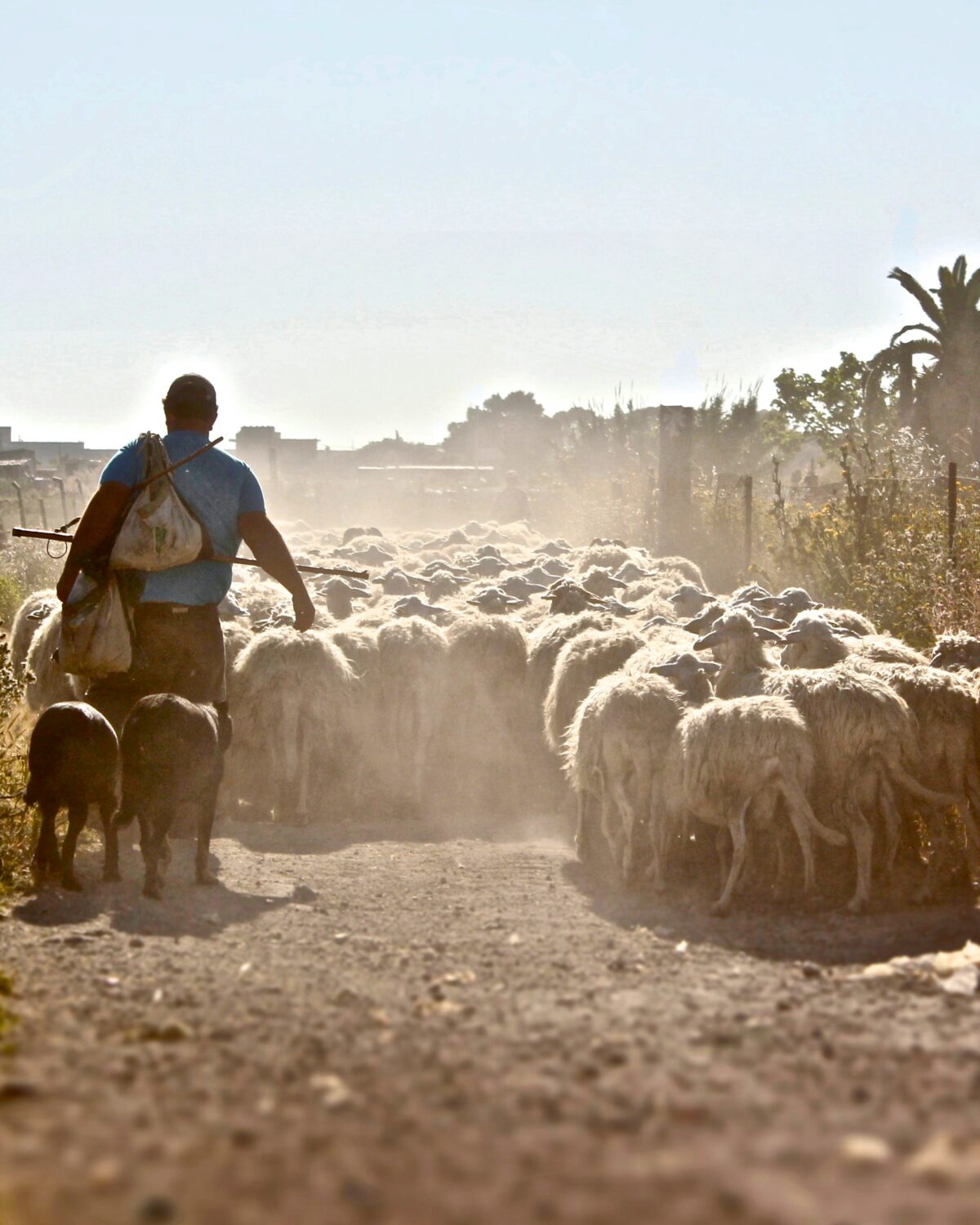
The term ‘transhumance’ refers to the practice, in mountainous regions, of bringing grazing animals such as cattle, goats, and sheep to higher areas during the summer months, where they can pasture under the watchful gaze of their herders.
As well as the agricultural benefits, transhumance was traditionally associated with specific forms of folk music and lore derived from the long days and nights the herders spent in the highlands.
In mountainous areas characterised by small settlements that were often quite cut off from one another during the winter months, transhumance was also a way for communities to come together, as herders from different areas would meet and interact in the meadows.
In many areas, the contact between these herders speaking the same or similar dialects provided something of a bulwark against the encroachment of the national languages that have tended in recent centuries to reduce linguistic diversity.
Transhumance is still practised today in some areas, but as motorways and other modern forms of infrastructure now often bisect former agricultural territories and transhumance routes, it is more complicated and less common than it once was.
It is still, however, an interesting linguistic field (pun intended!). Increasingly in southern Europe, where transhumance was once very widespread, herding is provided by migrants from North Africa and elsewhere, who bring their languages with them, altering the landscape of communication.