
101translations

Categories
Interesting facts

Tongue twisters

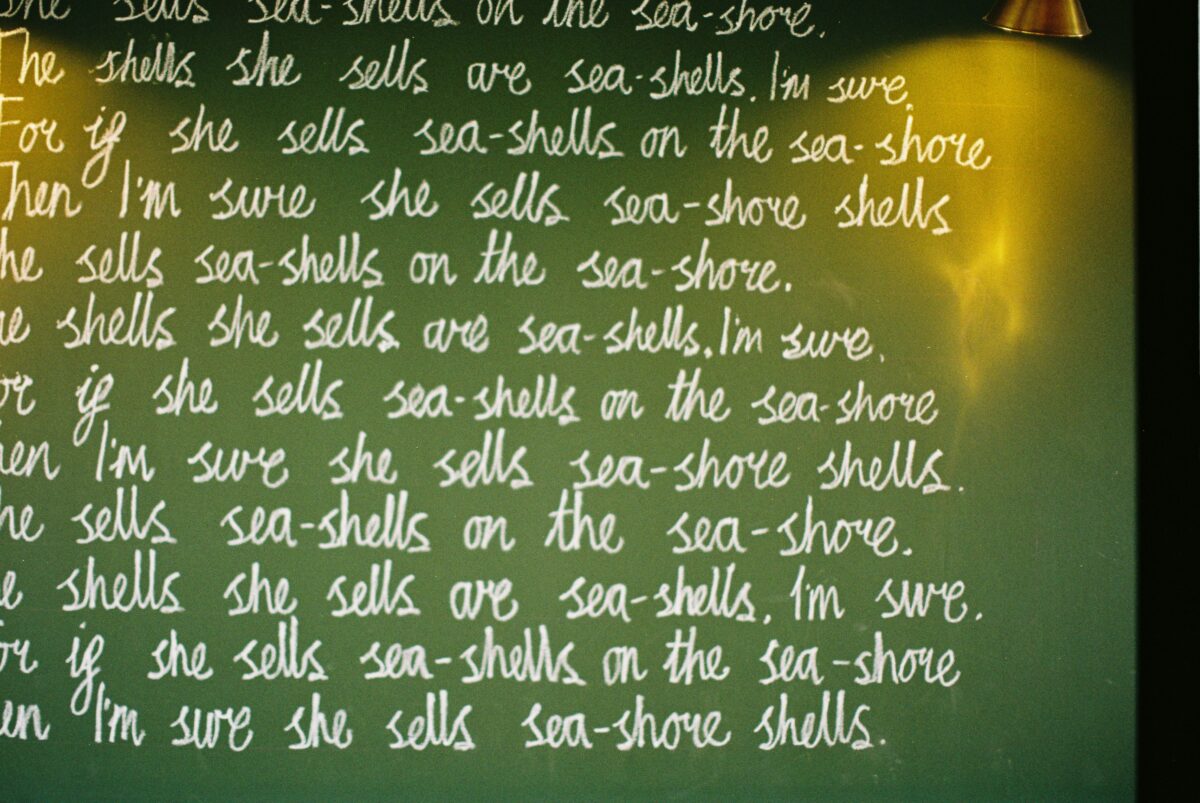
She sells seashells on the seashore.

Tongue twisters – in any language – are a lot of fun, and they also provide us with opportunities to work on our diction and fluency. Often, they rely on the speaker alternating rapidly between phonemes that are similar, but different. Frequently they also use a mixture of alliteration and rhyme.

Tongue twisters became extremely popular staples of English-language humour in the nineteenth century, and they exist in other languages too. In Spanish, a tongue twister is a trabalenguas (tongue jammer), for example; and the sign language version of a tongue twister is known as a “finger fumbler”.

Experiments conducted in-house at 101translations seem to suggest that tongue twisters are often easier to enunciate in one’s second language. Contact us for details!

Photo Source: https://unsplash.com/photos/she-sells-sea-shells-on-the-sea-shore-text-schbWii1C4U
Categories
Interesting facts

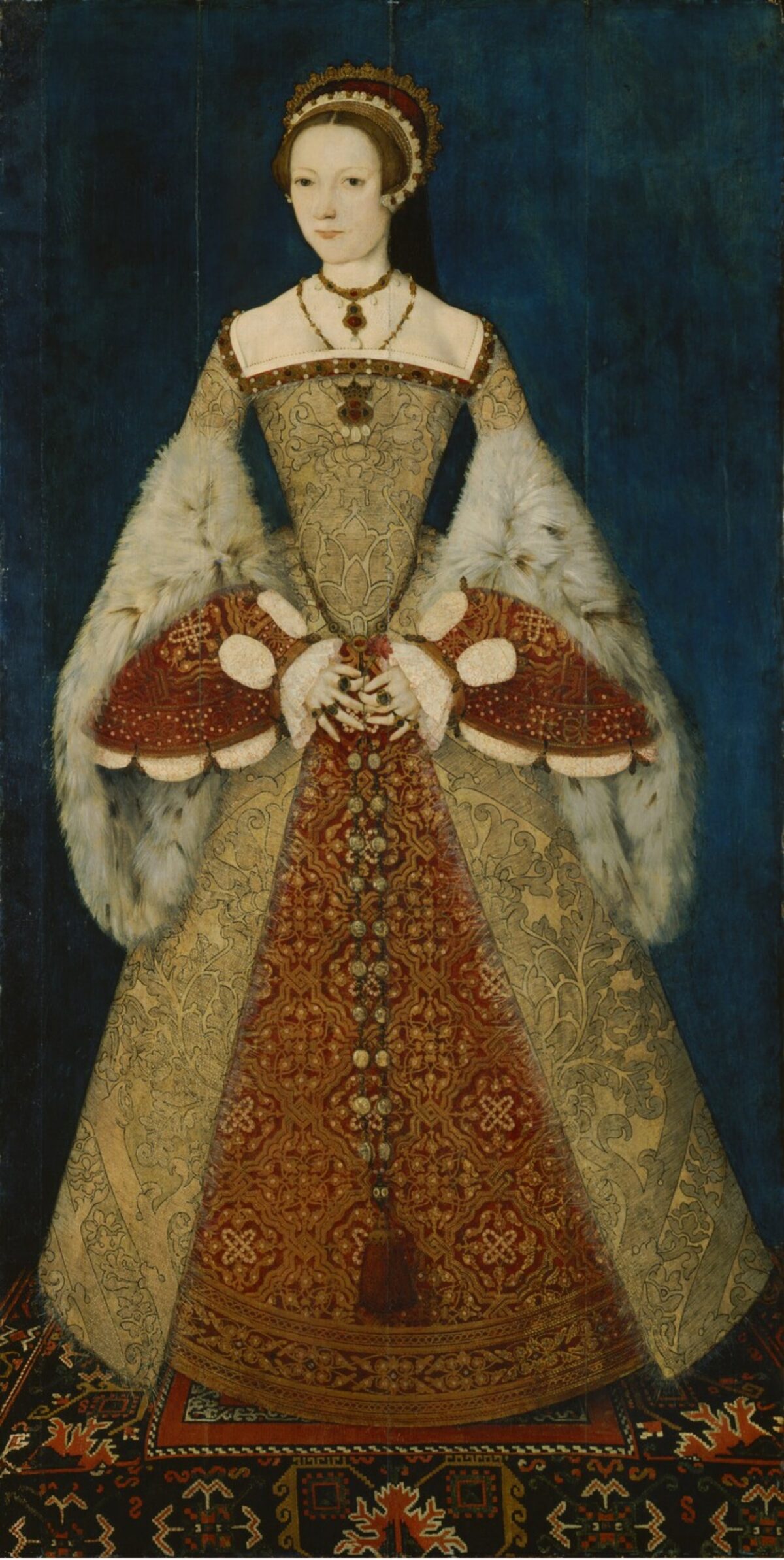
Great Translators of History – Catherine Par

Catherine Parr (born in 1512) is chiefly known for being the last of the British King Henry 8th’s six wives. With four husbands of her own, over the course of her lifetime, she was no slouch in the marrying department, either.
 
But Catherine was also a writer and translator. She was the first woman in England to have a printed book – Prayers or Meditations – published under her own name. As well as English, she was fluent in French, Italian and Latin, and learned Spanish as an adult.
 
Her translations include Psalms or Prayers taken out of Holy Scriptures, a work by Bishop John Fisher originally published in Latin. She would go on to translate widely, focusing largely on religious texts – which in those Reformation days also carried political weight.
 
Photo Source: https://commons.wikimedia.org/wiki/File:Catherine_Parr.jpg