We’ve written before about various indigenous languages, and how often they diminish or perish in the face of the globalisation of a small number of languages. But sometimes there is a little good news.
In Australia, where there are about 250 distinctive indigenous languages, the indigenous language Bunurong hasn’t been spoken fluently for about a hundred years, although it was once spoken over a broad territory. Today, a Bunurong community group, led by community elder Gail Kunwarra Dawson, is working with a language group that includes members of the community of all ages and linguists, to bring the language back to life. With the help of nineteenth-century sources and linguistic know-how, they are creating a dictionary of words that will make it easier for people to translate from English into Bunurong and vice versa.
Reviving indigenous languages doesn’t mean not speaking English or another global language. Obviously, that’s essential for indigenous people to participate in economic and social life. It’s about embracing cultural identity and, beyond that, embracing bilingualism and the ability to move fluently between different linguistic and cultural environments. We can’t undo the injustices of the past, including the suppression of many indigenous languages around the world, but we can all work towards a more inclusive linguistic environment in the future!
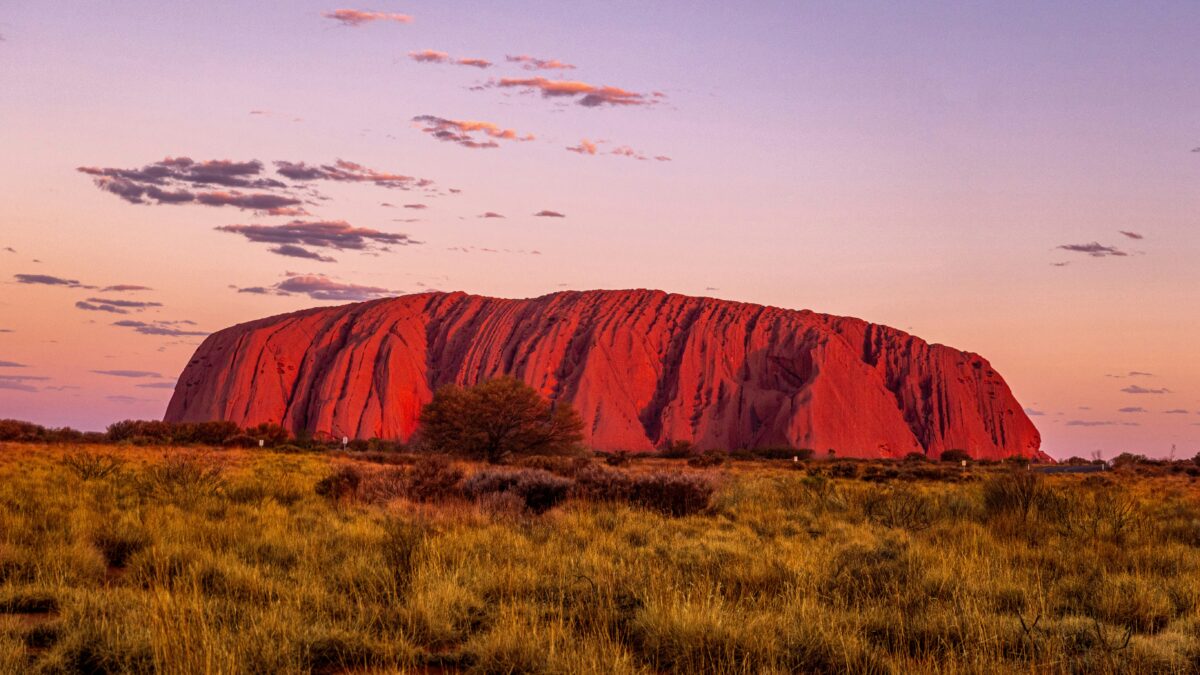
Photo Source: https://unsplash.com/photos/brown-mountain-under-white-clouds-during-daytime-afu6-Vvun7w